How to Renovate a House: A Step-by-Step Guide and Where to Start
How to Renovate a House: A Step-by-Step Guide and Where to Start
Renovating a house can be exciting but also overwhelming if you don't plan properly. Here's a step-by-step guide to help you approach a home renovation systematically, from where to start to how to finish strong.
🏠 How to Renovate a House: A Step-by-Step Guide
1. Set Clear Goals and Budget
Define your renovation goals: Are you updating for resale, rental, or personal comfort?
List must-haves vs. nice-to-haves.
Set a realistic budget: Include materials, labor, permits, and a 10–20% contingency fund.
📌 Start here: Without a budget, everything else is guesswork.
2. Evaluate the Property
Hire a professional inspector (if you haven't already).
Look for structural issues, outdated wiring, plumbing, or foundational problems.
Note potential hidden costs.
📌 Tip: Fix major issues first (roof, foundation, etc.) before cosmetic upgrades.
3. Plan the Design and Layout
Decide what stays and what changes (walls, layout, room usage).
Sketch a floor plan or use design software.
Consider flow, lighting, ventilation, and space usage.
📌 Optional: Hire an architect or interior designer if doing major changes.
4. Check Local Permits and Regulations
Visit your local building office or check online.
Get permits for structural, electrical, or plumbing work.
Know the zoning laws, especially if adding extensions.
5. Hire Contractors (If Needed)
Get multiple quotes.
Check licenses, insurance, references, and previous work.
Draft a clear contract with timelines and payment schedules.
📌 DIY? Know your limits. For safety and quality, leave plumbing, electrical, and structural changes to pros.
6. Demolition
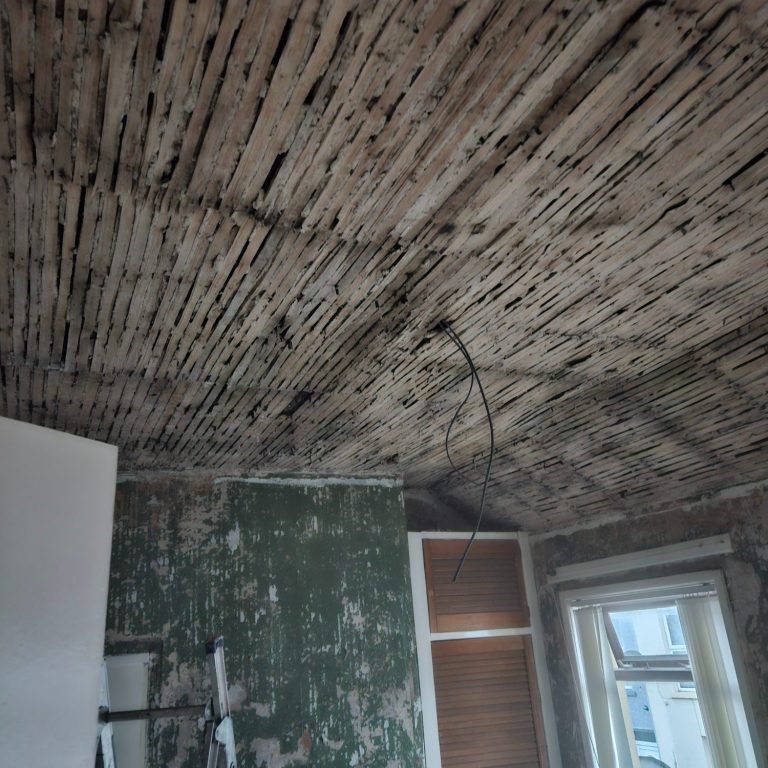
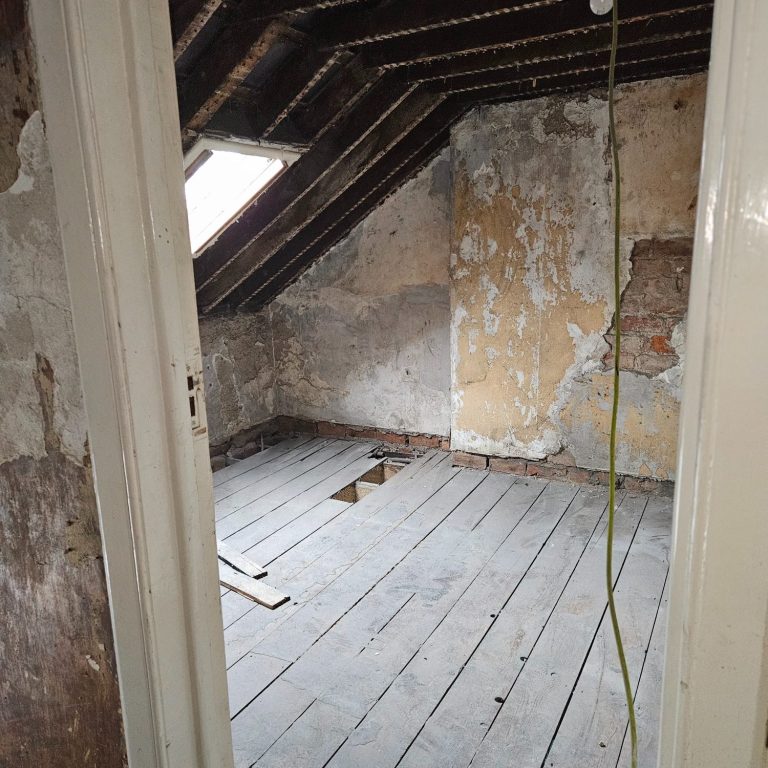
Remove unwanted walls, cabinets, flooring, etc.
Rent a dumpster for debris.
Protect areas that won’t be renovated.
📌 Safety first: Wear protective gear and shut off water/power when needed.
7. Structural Work and Systems
Address foundation, framing, roof repairs.
Install/upgrade electrical, HVAC, plumbing.
Do all "behind-the-walls" work before closing things up.
📌 Tip: Schedule inspections for each major system.
8. Insulation and Drywall
Add insulation to walls, ceilings, or floors as needed.
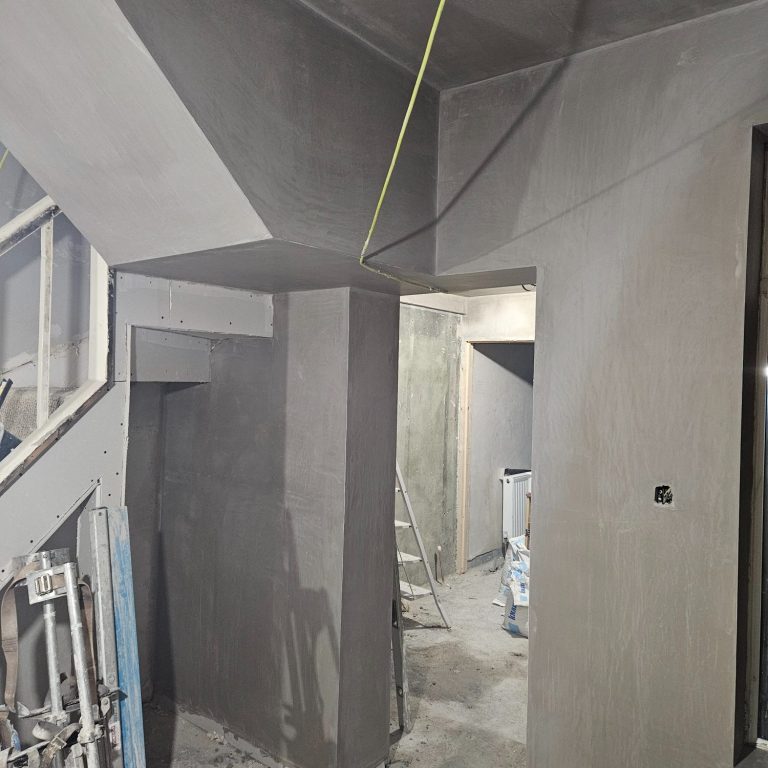
Install drywall and repair any damaged walls.
Finish with mudding, sanding, and priming.
9. Interior Finishes
Paint walls and ceilings.
Install flooring (tile, hardwood, carpet, etc.).
Add trim, molding, baseboards.
10. Kitchens and Bathrooms
Install cabinets, countertops, sinks, and appliances.
Tile work, plumbing fixtures, and lighting.
These are time-consuming, so plan carefully.
📌 High ROI: These rooms increase home value the most.
11. Fixtures and Final Touches
Install light fixtures, hardware, outlets, switches.
Hang doors, mirrors, and shelves.
Deep clean everything.
12. Final Inspection and Walkthrough
Ensure all permits/certs are signed off.
Walk through each room checking for missed details or touch-ups.
Create a punch list for your contractor or yourself.
13. Move In or Stage for Sale
If you're selling, stage the home to highlight best features.
If moving in, take your time unpacking and organizing.
🧭 Where to Start?
Start with:
A clear goal and budget.
An inspection of the home.
A renovation plan that prioritizes safety and structure first.